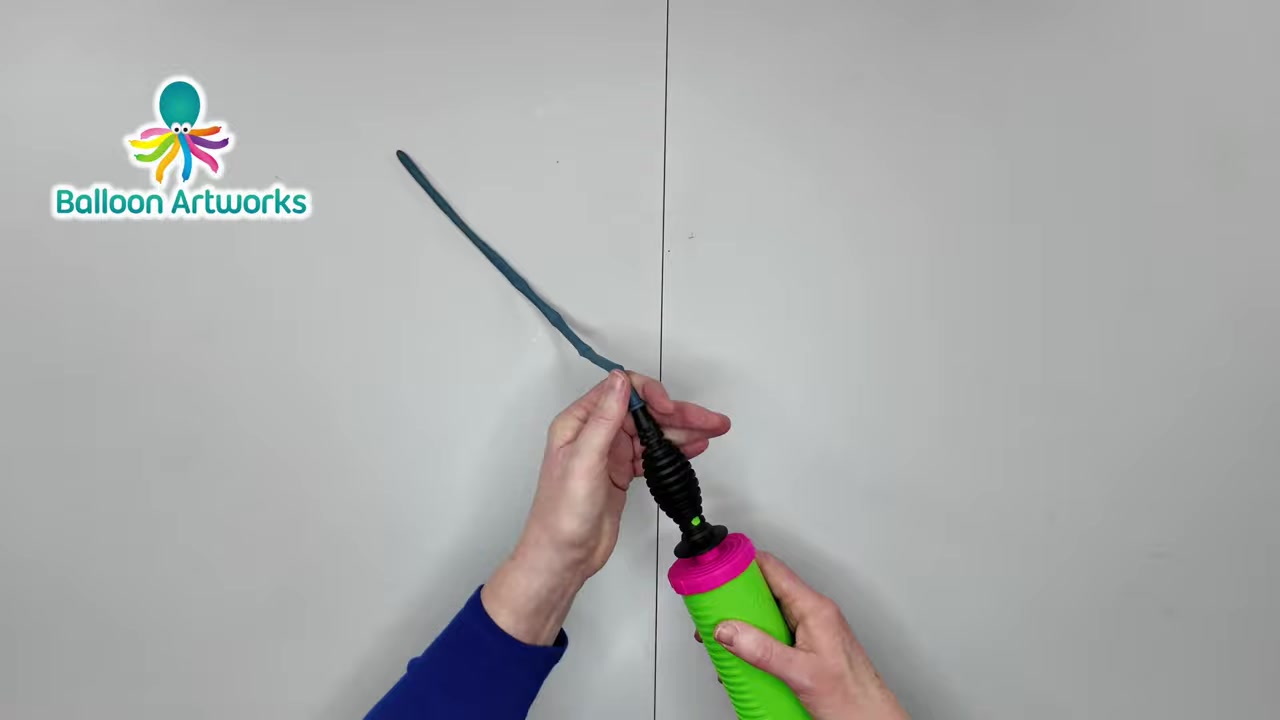
01 Inflate the Balloon
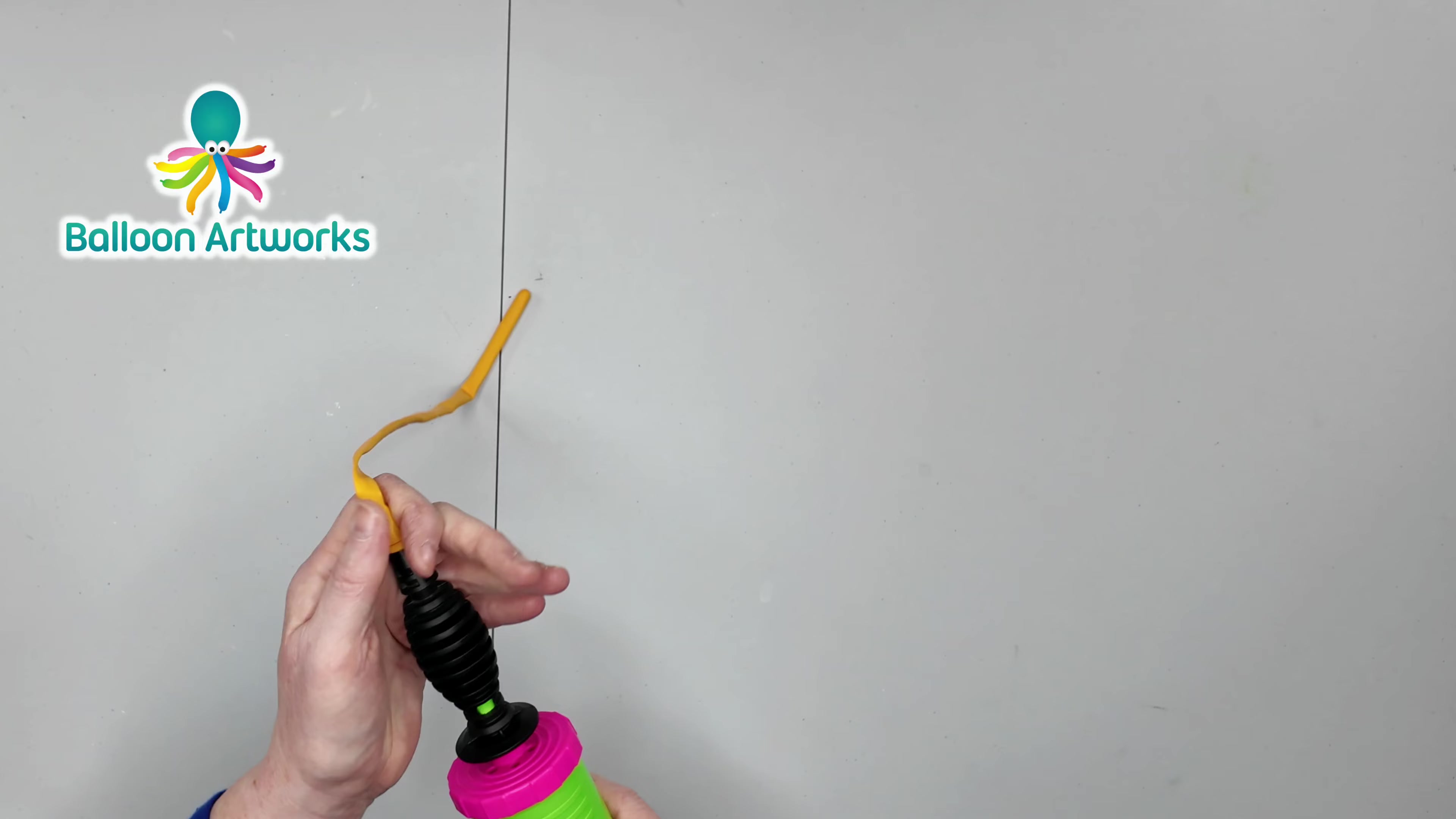
00:00 - 00:08Use the hand pump to inflate the 260 balloon almost all the way, but leave a short uninflated tail at the tip. That extra space gives you room to twist without stressing the latex.
A quick party favorite that turns one balloon into a sturdy sword in just over a minute, with a simple burp-and-lock method that helps prevent pops.
Use the hand pump to inflate the 260 balloon almost all the way, but leave a short uninflated tail at the tip. That extra space gives you room to twist without stressing the latex.
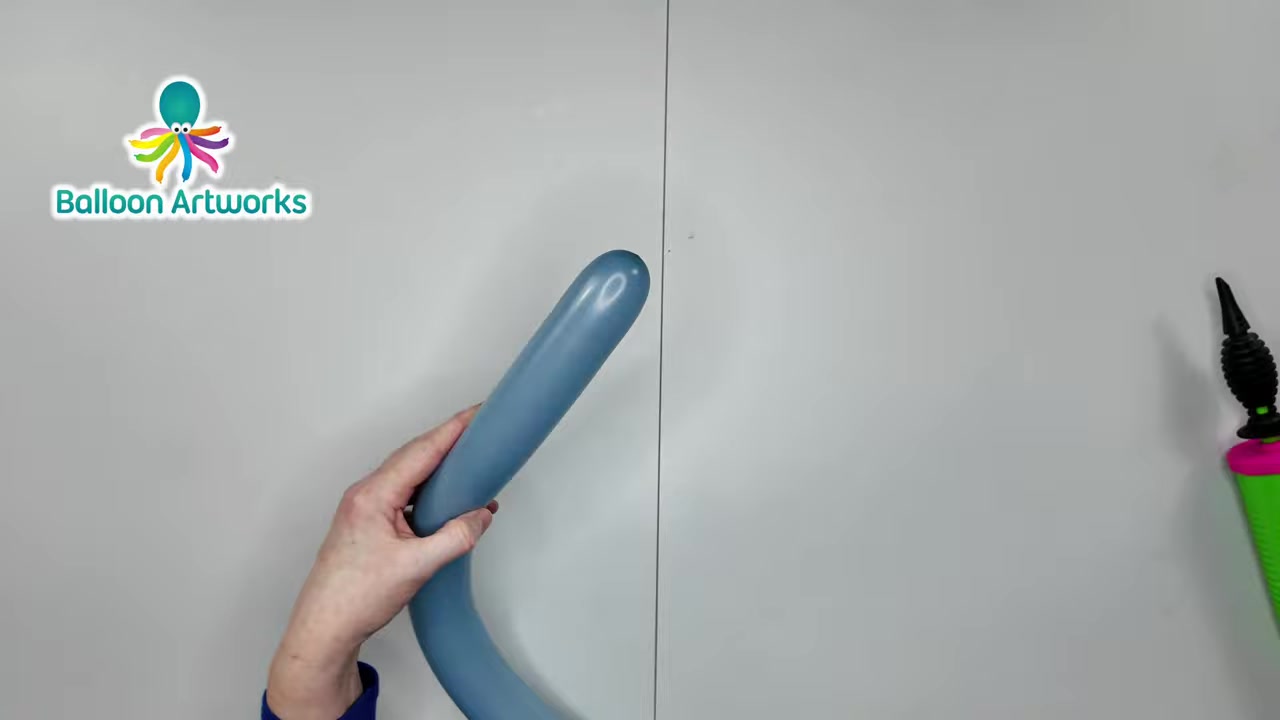
Gently burp the balloon by letting out a small puff of air to soften it and reduce pressure. Then tie a secure knot at the nozzle end so the balloon stays sealed and easier to shape.
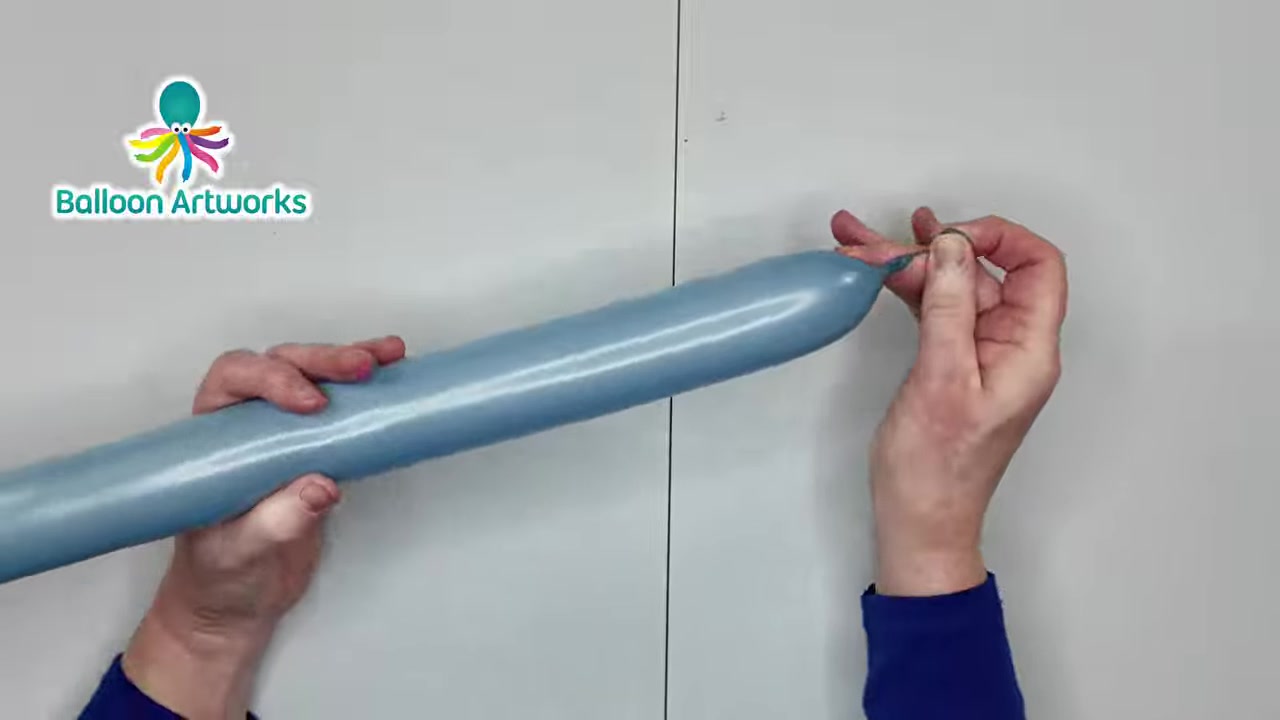
Fold the balloon into an S-curve near the nozzle end. Keep the bends smooth and controlled, then lock-twist the center fold to create the first guard loop.
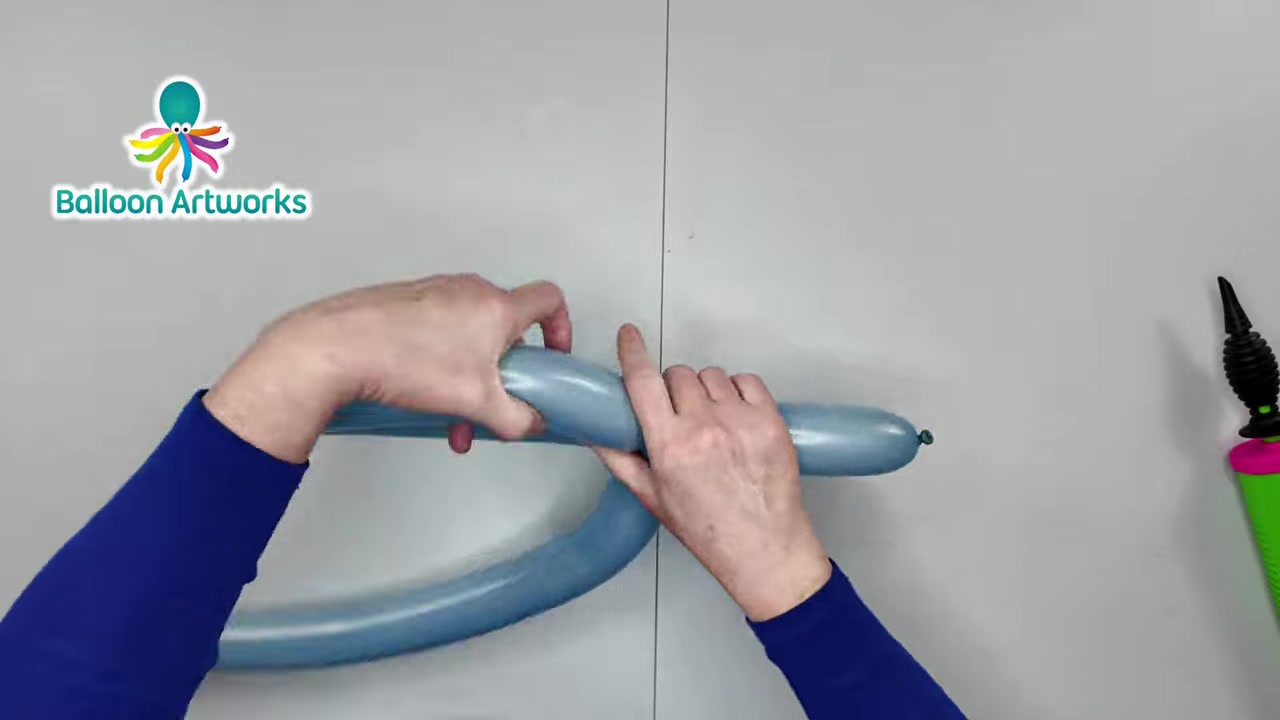
Crease the top of the loop and press it downward toward the twist so it separates into two equal crossguard loops. Make the loops even so the sword looks balanced and holds its shape.
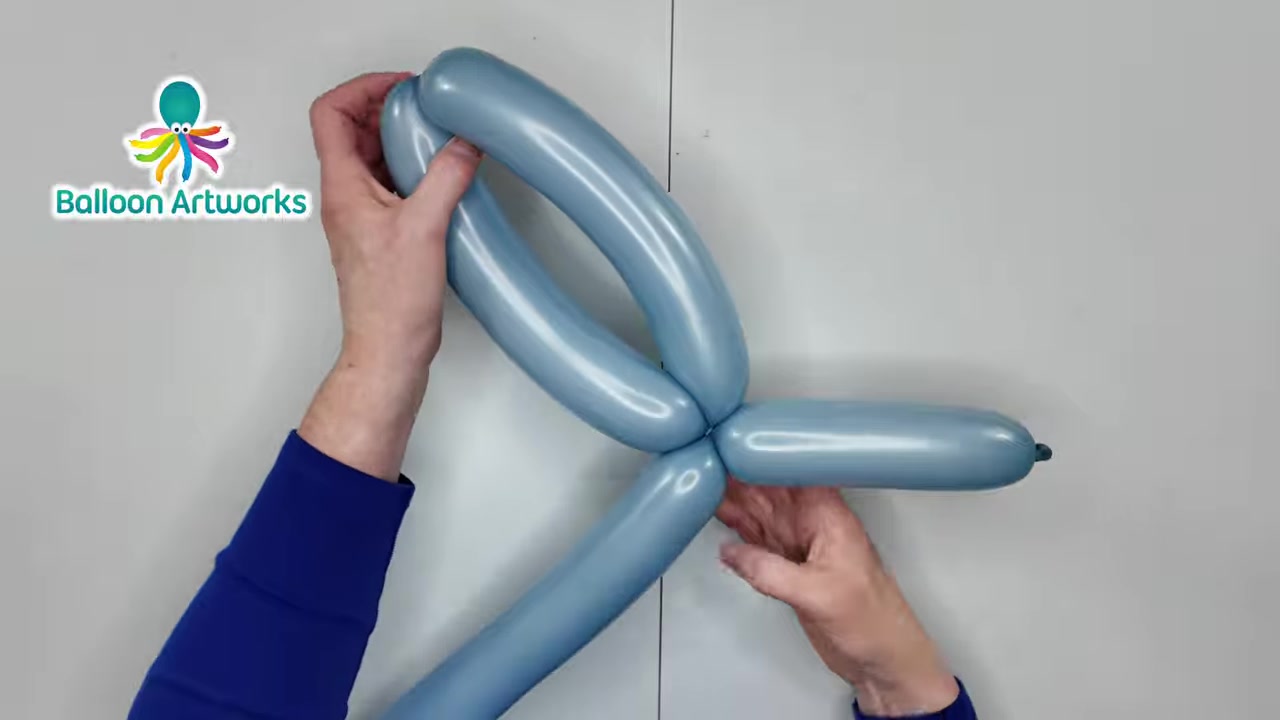
Push the long blade section through the center of the crossguard loop. This locks the handle and hilt in place so the sword feels tight instead of floppy.
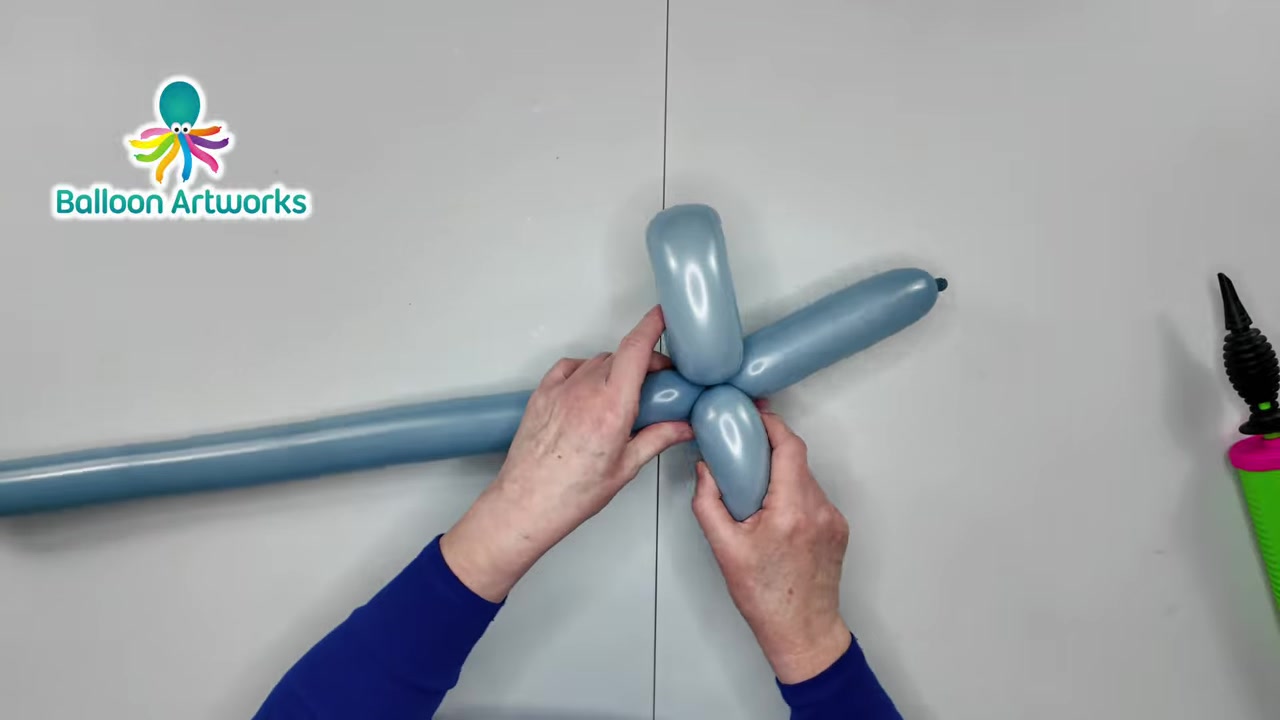
Gently stroke the blade to smooth out any curve and line it up straight. Once it looks clean, the balloon sword is finished and ready for the big reveal.
Real-world answers for busy mornings, active recess hold, and tear-free removal.
With a properly inflated 260Q balloon and clean twists, it can hold up for a good stretch of play. Keep it away from sharp edges, rough floors, and overhandling to help it last longer.
Stop and burp a little more air out before continuing. A slightly softer balloon is easier to twist and much less likely to pop.
That usually means the folds weren’t matched before the lock twist. Re-center the loop, keep both sides the same size, and twist in the same direction each time.
A 260Q balloon is the best choice because it has the right length and flexibility for the sword shape. Smaller balloons are harder to lock cleanly and pop more easily.
 Level 2: Handy Dad
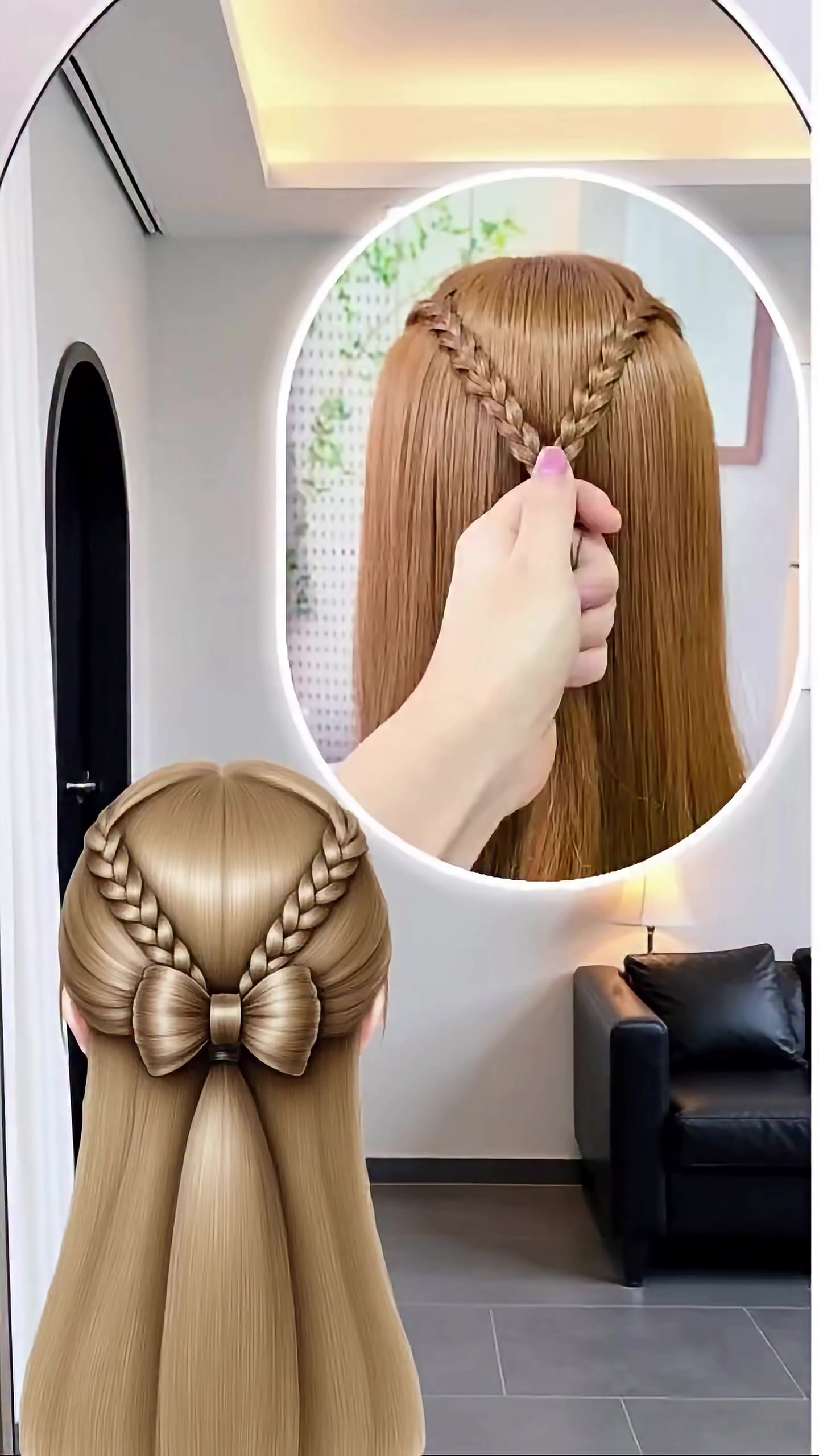
How to Do a Half-Up Hair Bow: Cute and Easy Princess Hairstyle
Turn a simple half-up ponytail into a show-stopping bow that stays neat all day.
Wide-tooth detangling comb
 Level 2: Handy Dad
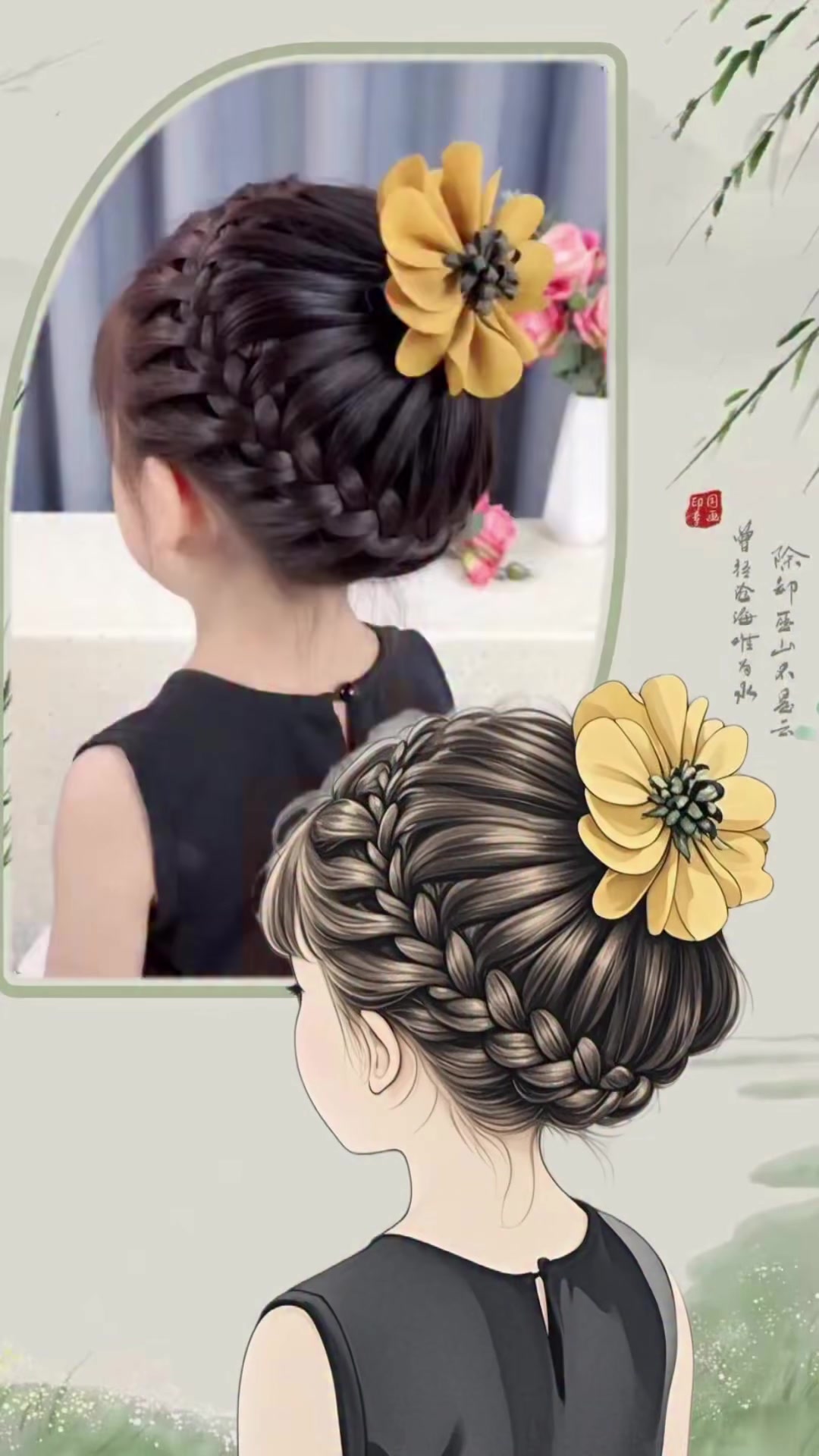
Crown Lace Braid Ponytail: Easy Morning Hairstyle for Girls
A neat princess style that starts with a ponytail and finishes in a polished braided crown in under 40 seconds.
Wide-tooth detangling brush
 Level 2: Handy Dad
How to Make a Balloon Giraffe: Fun and Easy Animal for Kids
A classic balloon win that turns one 260Q into a cute giraffe in under 3 minutes.
1x yellow 260Q modeling balloon
 Level 2: Handy Dad
How to Twist a 1-Balloon Flower: Easy Step-by-Step Tutorial
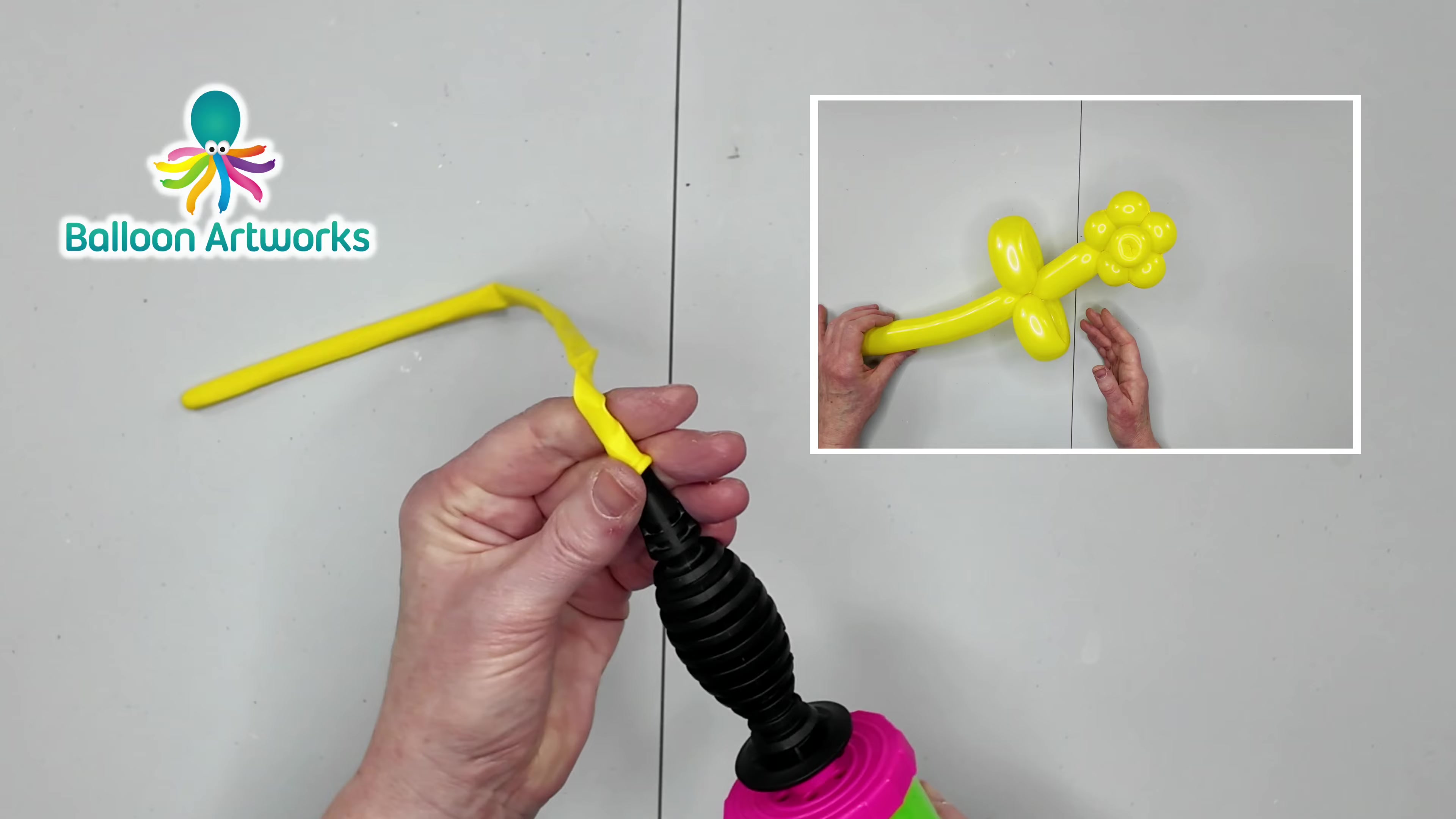
A bright balloon flower you can build in one smooth run, with a soft balloon and same-direction twists that keep it from popping.
1x 260Q modeling balloon (yellow or any bright color)